

Shop in Seagoville may earn a small commission when readers make a purchase through links in this article, at no additional cost to the buyer.
Spring may receive most of the attention from backyard gardeners, but fall can be one of the most productive growing seasons in North Texas. With proper planning, local households can harvest leafy greens, root vegetables, broccoli, cabbage and other cool-season crops long after summer gardens begin to decline.
Fall gardening does require a different strategy. Gardeners often must establish plants during the intense heat of late summer so those crops can mature as temperatures become milder. Success depends heavily on selecting suitable vegetables, planting them at the right time and protecting young plants while the weather is still hot.
The effort can be worthwhile. Many cool-season vegetables grow well during North Texas autumn weather, and some can continue producing after light frosts arrive.
Why Fall Can Be So Productive
North Texas summers can be difficult for both gardeners and plants. Extreme heat increases water needs, stresses vegetables and can interfere with flowering and fruit production. Insects and diseases may also become more troublesome as the summer progresses.
Conditions often become more favorable as fall approaches. Daytime temperatures gradually moderate, nights become cooler and soil moisture may be easier to maintain. Many cool-season crops develop their best flavor and quality under those conditions.
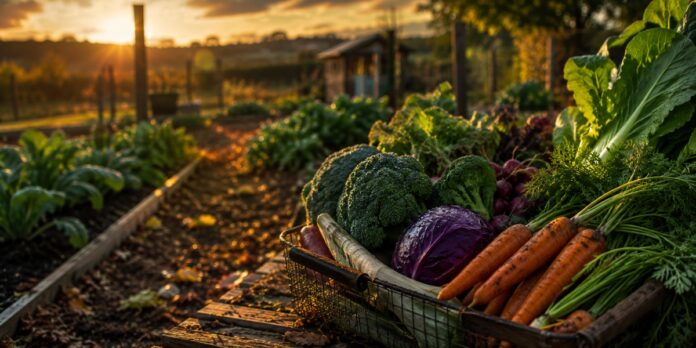
Broccoli, cabbage, carrots, collard greens, kale, lettuce, mustard greens, radishes, spinach and turnips are among the vegetables that can perform well in a Texas fall garden. Several of these crops can tolerate light frost, allowing the growing season to continue after warm-season plants have stopped producing.
Gardeners interested in developing a more productive household food system can use resources such as The Self-Sufficient Backyard to explore ways that vegetable production can fit into a broader plan involving food, water, soil and available outdoor space.
Fall gardens may also experience less weed pressure than spring gardens. Weeds do not disappear completely, but shorter days and cooler weather can slow the aggressive growth commonly seen during summer.
Begin Planning Before Temperatures Cool
One of the biggest mistakes gardeners make is waiting until the weather feels like fall before planting. By that point, some vegetables may not have enough time to mature before the first hard freeze.
Fall planting schedules are generally based on the expected first freeze and the number of days each crop needs to reach maturity. Vegetables that require a long growing period must be planted earlier than fast-growing crops such as radishes and leafy greens.
In North Texas, preparation may begin in July or August. Broccoli, cabbage, cauliflower and Brussels sprouts are often started early enough to establish before cooler weather arrives. Leaf lettuce, spinach, radishes, mustard and turnips can generally be planted later because they mature more quickly or tolerate cooler conditions.
Planting dates are not guarantees. Weather conditions vary from year to year, and temperatures can differ across North Texas. Gardeners should check local forecasts and consult the most recent recommendations from their county’s Texas A&M AgriLife Extension office before planting.
Choose Crops That Match the Space
A productive fall garden does not require a large yard. Cool-season vegetables can be grown in traditional garden rows, raised beds, containers and grow bags.
Leaf lettuce, spinach, radishes and many herbs work well in smaller spaces. Broccoli, cabbage and cauliflower need more room between plants but can still be grown successfully in compact raised beds. Carrots, beets and turnips need soil that is deep and loose enough for their roots to develop properly.
Gardeners should concentrate on vegetables their households will actually eat. Planting a large quantity of an unfamiliar crop may result in wasted space and produce. A better approach is to grow smaller amounts of several dependable vegetables and expand future plantings based on the family’s preferences.
Those building their gardening skills gradually may find practical project ideas through the Homesteaders Handbook, which can complement the experience gained from maintaining a manageable fall vegetable plot.
Prepare the Garden Site
Vegetables generally perform best in a location receiving at least eight hours of direct sunlight each day. The site should also drain well and be close enough to a water source for consistent irrigation.
Gardeners reusing a spring plot should remove exhausted vegetable plants, weeds and fallen produce. Plant material showing signs of insect infestation or disease should not be added to a home compost pile where those problems might survive.
North Texas soils frequently contain heavy clay, which can become compacted and drain slowly. Well-rotted compost or other suitable organic matter can improve soil structure over time. Gardeners should avoid working clay soil when it is wet because that can create hard clods and additional compaction.
Raised beds can provide better drainage and allow gardeners greater control over soil quality. Containers should have adequate drainage holes and enough depth for the vegetables being grown.
A soil test can help identify nutrient needs before fertilizer is applied. Adding fertilizer without understanding the soil can waste money and may damage plants or contribute to unnecessary runoff.
Protect Young Plants From Late-Summer Heat
Although fall vegetables prefer cooler conditions, many must be planted while North Texas remains hot. Newly planted seeds and transplants can struggle when exposed to intense afternoon sun and rapidly drying soil.
Temporary shade cloth can reduce heat stress while plants become established. Gardeners should inspect the soil frequently and water before the root zone becomes excessively dry. At the same time, the soil should not remain constantly saturated because overly wet conditions can contribute to root problems.
A layer of mulch can reduce evaporation, moderate soil temperature and suppress weeds. Mulch should be kept slightly away from plant stems to prevent excessive moisture from collecting directly against them.
Transplants may need closer attention during their first two weeks while their roots expand into the surrounding soil. Larger, healthy transplants can sometimes establish faster, but every plant should be inspected for insects, disease and damaged roots before purchase.
A structured resource such as The Self-Sufficient Backyard may help gardeners think beyond a single planting season and develop systems that make better use of available land, water and household resources.
Use Seeds and Transplants Strategically
Direct seeding works well for carrots, beets, radishes, spinach, mustard greens and turnips. Root vegetables should normally be planted where they will grow because transplanting can disturb their developing roots.
Broccoli, cabbage, cauliflower and Brussels sprouts are commonly planted as transplants. Starting with healthy young plants can shorten the time needed to reach harvest, which is especially valuable when working within the limited period before severe winter weather.
Seeds planted during hot weather may need frequent, light irrigation until they germinate. The top layer of soil can dry rapidly even when moisture remains farther below the surface. Once seedlings become established, gardeners should transition toward deeper watering that encourages stronger root development.
Group Crops by Cold Tolerance
A well-planned fall garden places vegetables with similar needs together. Frost-tolerant crops can remain in one section, while frost-sensitive vegetables can occupy another area that can be cleared after freezing weather arrives.
Beets, broccoli, cabbage, carrots, cauliflower, chard, collards, garlic, kale, lettuce, mustard, onions, parsley, spinach and turnips have varying levels of cold tolerance. Their ability to withstand freezing temperatures depends on the crop, plant maturity, duration of the cold and other environmental conditions.
Beans, cucumbers, eggplant, peppers, squash and tomatoes are much more vulnerable to frost. Gardeners attempting a late crop of these vegetables must plant early enough for production before freezing temperatures.
Row covers can provide limited protection from insects, wind and cold. Covers should be secured along the edges, and gardeners must monitor temperatures underneath them. Plastic coverings can trap excessive heat on warm days and may require ventilation.
The Homesteaders Handbook can offer additional ideas for families interested in connecting seasonal gardening with other practical household projects.
Water According to the Soil
Improper watering can cause weak roots, disease, poor-quality vegetables and disappointing yields. Rather than watering automatically according to a rigid schedule, gardeners should examine the soil.
If the soil remains moist about an inch below the surface, additional irrigation may not be necessary. When the soil is dry at that depth, it is usually time to water. Sandy soils drain quickly and may need more frequent irrigation than heavy clay soils.
Drip irrigation and soaker hoses deliver water near the roots and reduce the amount lost to evaporation. Watering at soil level also helps keep plant leaves dry, which may reduce some disease problems.
As temperatures cool and days shorten, plants typically use water more slowly. Irrigation schedules should be adjusted rather than continued at midsummer levels.
Plant in Stages for a Longer Harvest
Gardeners do not have to plant every seed on the same day. Successive planting can provide a steadier supply of vegetables instead of producing one large harvest at once.
Small rows of lettuce, radishes, spinach, mustard or turnips can be planted at intervals, provided later plantings still have enough time to mature. This method is particularly useful for households that want fresh vegetables for regular meals but do not plan to preserve large quantities.
Keeping simple records can improve future gardens. Gardeners should note planting dates, varieties, weather conditions, insect problems and harvest results. Those details can reveal which crops and schedules work best in a particular yard.
A successful North Texas fall garden begins before autumn weather arrives. By choosing cool-season vegetables, preparing the soil, following appropriate planting windows and protecting young plants from late-summer heat, local gardeners can turn an underused season into one of the most rewarding times of the year.