Shop in Seagoville may earn a small commission when readers make a purchase through links in this article, at no additional cost to the buyer.
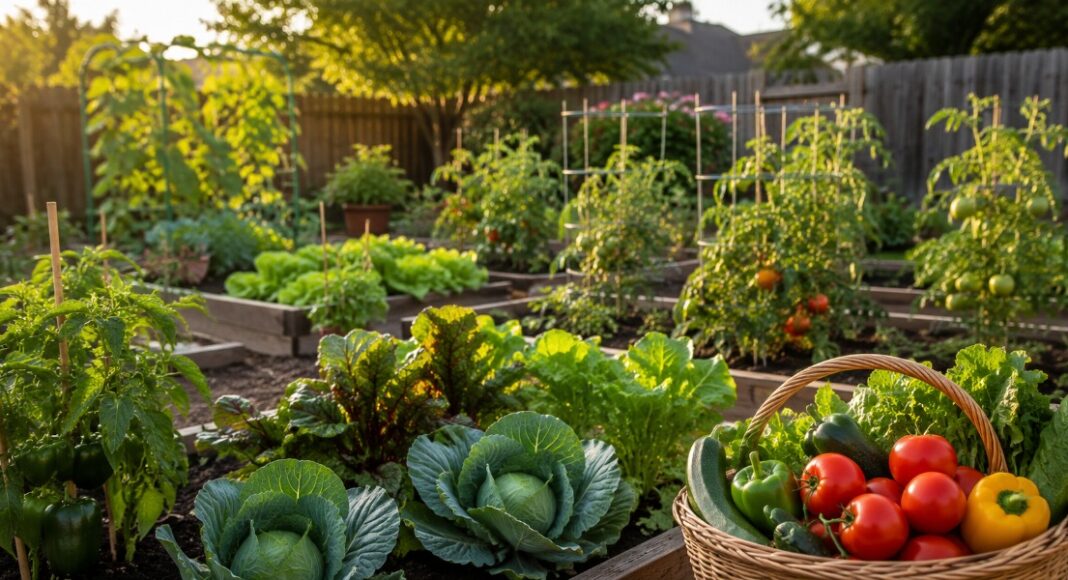
Growing vegetables in North Texas can be highly productive, but success depends on choosing crops that can handle the region’s temperature swings, intense summer heat and periods of limited rainfall. Gardeners who match their planting schedule to local conditions can harvest vegetables during much of the year without needing a large property or expensive equipment.
North Texas generally offers two strong vegetable-growing periods. Cool-season crops perform best in late winter, early spring and fall, while heat-tolerant vegetables dominate from late spring through summer. The most reliable backyard gardens usually combine both groups rather than trying to grow the same vegetables throughout the entire year.
Tomatoes Remain a Backyard Favorite
Tomatoes are among the most popular vegetables grown in North Texas, although they can struggle when daytime and nighttime temperatures become extremely hot. Gardeners often receive their best harvests by planting healthy transplants early enough for the plants to produce before the most intense summer heat arrives.
Smaller tomato varieties, including cherry and grape tomatoes, frequently continue producing more reliably than large slicing varieties during stressful weather. Determinate varieties remain relatively compact and may be easier to grow in raised beds or containers, while indeterminate tomatoes continue growing and producing over a longer period when conditions remain favorable.
Tomatoes need full sun, consistent moisture and support from cages, stakes or trellises. Mulching around the plants can help conserve soil moisture and reduce rapid temperature changes around the roots.
Homeowners interested in building a more productive food-growing system can use The Self-Sufficient Backyard as an additional resource for planning vegetable beds, managing available space and gradually expanding backyard food production.
Peppers Perform Well in the Heat
Bell peppers, jalapeños, banana peppers, serrano peppers and other varieties are well suited to North Texas gardens. Pepper plants may grow slowly during cool spring weather, but they usually become more productive as temperatures rise.
Unlike tomatoes, which may slow production during the hottest part of summer, many pepper plants continue flowering and setting fruit when properly watered. They can remain productive into fall, especially when protected from early cold weather.
Peppers grow well in traditional garden beds, raised beds and large containers. Regular harvesting encourages the plants to continue producing, and gardeners can pick peppers while they are green or allow them to mature into their final red, orange, yellow or purple color.
Okra Thrives During the Hottest Months
Few vegetables are better adapted to a North Texas summer than okra. Once established, okra tolerates heat and brief dry periods better than many common garden crops.
Okra plants should be placed in full sun with enough room for air movement and harvesting. During peak production, pods may need to be picked every day or two. Young pods are usually more tender, while pods left on the plant too long can become tough and fibrous.
Because okra plants can grow tall, gardeners should place them where they will not shade shorter vegetables. The plants may continue producing until cooler fall temperatures arrive.
Southern Peas Provide Food and Improve the Garden
Black-eyed peas, purple hull peas and other southern peas are productive warm-season crops that perform well in hot conditions. They can be grown along fences or trellises, depending on whether the selected variety has a bush or vining growth habit.
Southern peas are useful for gardeners who want a crop that requires less attention than some other vegetables. Once established, they generally tolerate heat and moderate drought. They also belong to the legume family, which can contribute to a healthier garden rotation.
Fresh peas can be shelled and cooked, while mature peas can be dried for longer storage. This makes them especially valuable for households interested in producing food that can be used beyond the immediate harvest season.
Cucumbers Offer Fast Production
Cucumbers grow quickly when temperatures are warm and moisture is consistent. They are productive choices for spring and early summer, although vines may decline during extreme heat.
Growing cucumbers vertically on a trellis can save space, improve air circulation and make the fruit easier to find. Trellising may also reduce the number of cucumbers that become misshapen or damaged while resting on damp soil.
Gardeners should harvest cucumbers frequently. Allowing oversized fruit to remain on the vine can reduce continued production. Additional cucumber plants can sometimes be planted later in the summer for a fall harvest, provided they have enough time to mature before cold weather.
Squash Produces Heavily in Limited Space
Yellow squash and zucchini can provide large harvests from only a few plants. These vegetables grow rapidly in warm soil and may begin producing within a relatively short period.
Squash plants need adequate room because their leaves can spread widely. Gardeners should check plants often once fruit begins developing, since small squash can become oversized within only a few days.
While squash is productive, the plants can be affected by insects and disease. Removing damaged leaves, rotating planting areas and avoiding unnecessary moisture on the foliage can help reduce problems.
Green Beans Are Reliable and Versatile
Bush beans and pole beans are both practical choices for North Texas gardens. Bush beans grow in compact rows and usually produce much of their crop within a concentrated period. Pole beans require support but can produce for a longer season.
Beans perform best when planted after the danger of frost has passed and the soil has warmed. They should be harvested while the pods are still tender. Frequent picking encourages additional production.
Gardeners with limited space may prefer pole beans because they grow vertically. A trellis placed along the north or west side of a garden can support the vines without shading smaller plants excessively.
Swiss Chard Handles Changing Temperatures
Swiss chard is a useful option for gardeners who want leafy greens but need something more tolerant of changing weather. It generally handles warmth better than lettuce and spinach, although it benefits from afternoon shade during the hottest part of summer.
Gardeners can harvest the outer leaves while allowing the center of the plant to continue growing. This cut-and-come-again method can provide repeated harvests from the same plants.
The colorful stems also make Swiss chard visually attractive in edible landscapes, patio containers and mixed vegetable beds.
Cool-Season Vegetables Extend the Harvest
North Texas gardeners should not overlook fall, winter and early spring. Broccoli, cabbage, kale, lettuce, spinach, carrots, radishes, onions and turnips often perform better during cool weather than during late spring or summer.
Leafy greens can provide multiple harvests when gardeners remove only the outer leaves. Radishes mature quickly and can be planted in small spaces between slower-growing crops. Carrots and onions require patience but can produce dependable results when planted in loose, well-drained soil.
Fall gardens are sometimes more successful than spring gardens because the soil remains warm enough for seeds to germinate while temperatures gradually become cooler. Gardeners must still plan carefully so vegetables have enough time to mature before severe cold weather.
Productive Gardens Begin With Healthy Soil
Even heat-tolerant vegetables will struggle in compacted or poorly drained soil. Many North Texas properties contain heavy clay, which can hold water after storms and become extremely hard during dry periods.
Adding compost can improve drainage, soil structure and moisture retention. Raised beds can also help gardeners create better growing conditions without replacing all the soil in an existing yard.
A layer of mulch around established plants reduces evaporation, suppresses weeds and protects the soil from direct sunlight. Organic materials such as shredded leaves, untreated grass clippings or clean straw can be replenished as they break down.
Gardeners building a long-term plan may find The Self-Sufficient Backyard helpful when deciding how to combine vegetable production with composting, water conservation and other practical backyard systems.
Water Consistently Rather Than Constantly
Vegetable gardens generally perform better with deep, consistent watering than with frequent shallow watering. Deep watering encourages roots to grow farther into the soil, where moisture remains available longer.
Drip irrigation and soaker hoses can deliver water near the root zone while reducing evaporation. Watering early in the morning allows plants to absorb moisture before afternoon temperatures rise and gives wet foliage time to dry.
Containers and raised beds may dry out faster than in-ground gardens, so they should be checked more frequently during hot weather. Gardeners should avoid allowing the soil to repeatedly alternate between extremely dry and waterlogged conditions.
Start With a Manageable Selection
A productive North Texas garden does not need to contain every possible vegetable. New gardeners may have better results by beginning with tomatoes, peppers, okra, southern peas and one or two cool-season crops.
The most successful choices will depend on the amount of sunlight, available space, soil condition and the foods a household actually enjoys eating. A few healthy, carefully maintained plants can provide more usable food than a large garden that becomes difficult to manage.
By selecting vegetables suited to the local climate, planting during the appropriate season and improving the soil over time, North Texas homeowners can turn even a modest backyard into a dependable source of fresh produce.