

Shop in Seagoville may earn a small commission when readers make a purchase through links in this article, at no additional cost to the buyer.
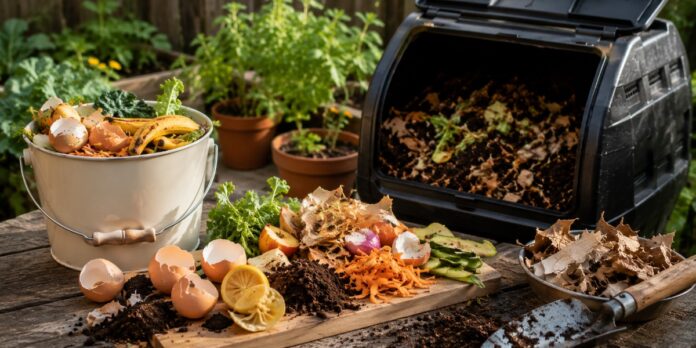
A surprising amount of what families discard after preparing meals can be converted into compost instead of being sent to the trash.
Fruit peels, vegetable trimmings, coffee grounds and other common scraps can eventually become a dark, crumbly soil amendment that improves garden beds. However, not everything that decomposes naturally belongs in a basic backyard compost pile.
Some foods create odors, attract rodents or break down too slowly. Other items contain plastic, chemicals or disease-causing organisms that families should keep away from vegetable gardens.
This easy guide explains which kitchen scraps are useful, which require caution and which should stay out of a home compost bin.
Families interested in connecting composting with gardening, food preservation and other practical household skills can also explore the Homesteaders Handbook as they develop a more self-reliant home routine.
The Simplest Rule for Beginners
Most uncooked fruit and vegetable scraps are suitable for backyard composting.
That includes peelings, cores, stems, wilted produce and small pieces left after meal preparation. These moist, nitrogen-rich ingredients are often called “greens,” even when the scraps are not actually green.
Food scraps should be combined with a larger amount of carbon-rich “brown” material. Browns include dry leaves, shredded non-glossy paper, torn brown paper bags and plain cardboard without tape, wax or plastic coating.
A useful starting point is two to three containers of brown material for every container of food scraps.
The mixture also needs air and moderate moisture. A pile made almost entirely from wet kitchen waste can become compacted, smell unpleasant and attract pests.
Fruit Scraps That Can Be Composted
Most fruit waste can go into a properly maintained compost pile.
Suitable items include:
- Apple cores and peels
- Banana peels
- Melon rinds
- Grape stems
- Peach, plum and nectarine scraps
- Strawberry tops
- Pineapple skins and cores
- Mango peels
- Pear cores
- Citrus peels
- Overripe or spoiled fruit
Remove plastic produce stickers before adding fruit to the pile. Those stickers generally do not break down and may remain in finished compost.
Large or tough scraps should be chopped into smaller pieces. A whole melon rind or pineapple top will decompose much more slowly than several smaller pieces.
Fruit pits can be added, but they may remain recognizable long after the softer material has disappeared. They can be screened out of finished compost and returned to the active pile.
Do Citrus Peels Harm Compost?
Orange, lemon, lime and grapefruit peels can be added to an ordinary outdoor compost pile.
Their acidity does not permanently make finished compost too acidic because the materials change as they decompose. However, thick citrus peels may break down slowly, so chopping them can speed the process.
Families using a worm-composting system should add citrus more cautiously. Large quantities can create conditions that worms may avoid, particularly when the bin is small.
An occasional orange or lemon peel is different from emptying a large container of citrus waste into a worm bin at one time.
Vegetable Scraps That Belong in the Pile
Most raw vegetable scraps are among the easiest household materials to compost.
Examples include:
- Potato and sweet-potato peels
- Carrot peels and tops
- Lettuce and cabbage leaves
- Corn husks and cobs
- Broccoli and cauliflower stalks
- Onion skins
- Garlic skins
- Celery ends
- Cucumber peels
- Pepper stems and seeds
- Squash and pumpkin scraps
- Green bean ends
- Tomato scraps
Tough materials such as corn cobs, broccoli stalks and pumpkin shells should be cut into smaller pieces when practical.
Whole vegetables can also be composted, but breaking them apart allows microorganisms to reach more of the material and reduces the time required for decomposition.
The gardening systems discussed in The Self-Sufficient Backyard may help families see how kitchen scraps, compost and productive growing areas can work together.
Coffee Grounds and Paper Filters
Used coffee grounds are a valuable nitrogen-rich compost ingredient.
The grounds can be emptied directly into the pile. Most ordinary paper coffee filters can be composted along with them, provided the filter does not contain plastic or another synthetic material.
Coffee grounds should not form a thick, wet layer. Mix them with dry leaves, shredded cardboard or other brown materials to maintain airflow.
Disposable plastic coffee pods should not be placed in a backyard compost pile. Even when the grounds inside are compostable, the pod may contain plastic, foil or mixed materials that must be separated.
Tea Leaves and Tea Bags
Loose tea leaves can be composted.
Traditional paper tea bags may also be suitable after staples, strings, tags and other non-compostable pieces are removed. However, some tea bags contain plastic fibers or are made from synthetic mesh.
Families should check the manufacturer’s packaging before assuming a tea bag will break down.
When the material is uncertain, open the bag, place the tea leaves in the compost and discard the empty bag through the appropriate waste system.
Eggshells Are Acceptable, With Preparation
Eggshells can be added to backyard compost.
Rinse away remaining egg material when necessary, allow the shells to dry and crush them before adding them. Smaller pieces are less noticeable in finished compost and have more surface area exposed to decomposition.
Eggshells break down slowly. Visible shell fragments in otherwise finished compost do not necessarily indicate that the entire pile is unfinished.
Whole raw eggs should generally stay out of a basic compost pile. They can create odors, attract animals and introduce more moisture than the pile needs.
Plain Grains and Bread Require Caution
Plain rice, pasta, cereal, bread and other grain products can decompose, but they are more likely than fruit and vegetable scraps to attract rodents and other animals.
For that reason, beginners may prefer to leave them out of an open backyard pile.
A small quantity may be manageable in a secure, enclosed composting system when it is buried deeply and covered with several inches of brown material.
Grains coated with butter, cheese, meat sauce, cooking oil or other rich ingredients should not be placed in a basic backyard pile.
Families using a community or municipal compost collection service should follow that program’s rules, which may allow foods that are unsuitable for home composting.
Cooked Vegetables Are Not Always Simple
Plain cooked vegetables can decompose in compost, but their added moisture can make a pile wet and compacted.
Vegetables prepared with oil, butter, cheese, gravy or meat should be excluded from an ordinary backyard system. These additions can produce odors and attract pests.
When adding a small quantity of plain cooked vegetables, mix them into the center of the pile and cover them completely with dry leaves or shredded cardboard.
Do not spread cooked food across the surface where animals and flies can reach it.
Nut Shells Can Be Added
Most untreated nut shells can be composted, although they may take considerable time to break down.
Crushing them helps speed decomposition and prevents large shells from dominating the finished product.
Avoid shells that are heavily salted, flavored or coated with oil. Black walnut shells, leaves and twigs require special caution because compounds from the tree can interfere with the growth of some plants.
Ordinary peanut, pecan and similar shells can be used in moderation when mixed with softer ingredients.
Plain Paper and Cardboard Can Supply Browns
Some kitchen paper products can help balance wet food scraps.
Suitable materials may include:
- Plain brown paper bags
- Cardboard egg cartons
- Paper towel and toilet-paper rolls
- Uncoated cardboard boxes
- Non-glossy paper
- Plain paper napkins without chemical cleaners
- Shredded paper coffee filters
Remove tape, shipping labels, plastic windows, staples and glossy coatings.
Waxed cardboard, plastic-lined paper cups, metallic wrapping, glossy advertisements and heavily colored packaging should stay out of the pile unless the manufacturer clearly identifies them as suitable for home composting.
Even products labeled “compostable” may require the sustained high temperatures of a commercial facility rather than the conditions found in a backyard bin.
What Should Never Go Into a Basic Backyard Compost Pile?
Several common kitchen wastes are unsuitable because they attract animals, produce odors or may not decompose safely in a small home system.
Keep the following out:
- Meat and poultry scraps
- Fish and seafood
- Bones
- Milk and cream
- Cheese
- Yogurt
- Butter
- Cooking grease
- Lard
- Salad dressing
- Cooking oil
- Greasy or heavily sauced foods
These materials may be accepted by a commercial collection program capable of processing them at higher temperatures.
Families should verify local rules before placing those foods into a curbside organics container.
Why Meat, Dairy and Grease Cause Problems
Meat and dairy products contain protein and fat that can create strong odors as they decompose.
Those odors may attract rats, raccoons, opossums, stray animals, flies and neighborhood pets. Bones can also remain in the pile for a long time.
Grease and oil may coat compost materials, limit airflow and create wet pockets that decompose poorly.
Although commercial facilities may process these ingredients successfully, a typical backyard pile does not always maintain the temperatures or controlled conditions required.
Keep Plastic Out—Even Small Pieces
Plastic does not become garden compost.
Remove produce stickers, rubber bands, twist ties, plastic wrap, mesh produce bags, food packaging and disposable utensils before carrying scraps to the bin.
Small plastic pieces are easy to overlook and difficult to remove after the pile has decomposed.
Packages labeled biodegradable, plant-based or compostable are not automatically suitable for backyard composting. Some require industrial conditions and may remain largely unchanged in a home pile.
When the labeling does not clearly say “home compostable,” check local composting rules or leave the item out.
Do Not Compost Cleaning Wipes or Chemically Contaminated Paper
Paper towels and napkins used only with water or ordinary food scraps may be acceptable in limited quantities.
Those used with household cleaners, disinfectants, automotive products, paint, solvents or other chemicals should go into the appropriate waste stream instead.
Disposable wipes should not be composted. Many contain synthetic fibers even when they feel similar to paper.
Dryer lint is also unsuitable under current EPA home-composting guidance because it may contain synthetic fibers released from clothing.
Pet Waste Does Not Belong in Food-Garden Compost
Dog feces, cat feces and used cat litter should never be added to compost intended for vegetables, herbs or other edible plants.
Pet waste can contain parasites and disease-causing organisms that a small backyard pile may not destroy.
The same caution applies to disposable diapers and human waste.
Families seeking a specialized system for managing certain animal wastes should obtain guidance specifically designed for that purpose and keep the finished material away from food-production areas.
Diseased Plants and Aggressive Weeds Need Separate Handling
Kitchen scraps may be the main focus of a home compost pile, but families often add garden debris to the same system.
Avoid badly diseased plants, insect-infested material and aggressive weeds that have produced seeds. Backyard piles may not remain hot enough long enough to destroy every disease organism, insect or viable seed.
Plants treated recently with herbicides should also be excluded because residues may survive and damage sensitive garden plants.
Healthy trimmings, dry leaves and untreated plant stalks remain useful additions.
Wood Ash and Charcoal Are Not the Same
A small amount of ash from untreated firewood is sometimes used in gardens, but it can raise alkalinity and should not be treated as an ordinary compost ingredient.
Coal ash, charcoal briquette ash and ash from painted, stained or pressure-treated wood should never be added.
Those materials may contain substances that are harmful to soil, plants or people.
Families uncertain about the source of ash should keep it out of both the compost and vegetable garden.
Store Scraps Without Creating Indoor Odors
A countertop container with a secure lid can make compost collection convenient.
Empty it frequently and wash it before food residue begins producing odors. A piece of plain cardboard or newspaper at the bottom can absorb small amounts of moisture.
Families that do not visit the outdoor bin daily can store scraps in a closed container in the refrigerator or freezer.
Freezing scraps prevents indoor decomposition and can reduce problems with fruit flies. It also allows a household to carry a larger batch outside at one time.
The Homesteaders Handbook offers additional ideas for organizing household systems so activities such as composting become regular routines rather than occasional projects.
Cover Every Addition to Discourage Pests
Food should never remain visible on top of a compost pile.
Open a space near the center, add the scraps and cover them with four to eight inches of dry leaves, shredded cardboard or other brown material.
Covering food reduces odors and makes it harder for flies and animals to locate fresh waste.
An enclosed bin with a secure lid offers additional protection, but the lid does not replace proper burial and material balance.
Where rodents are a recurring concern, families may need a durable container reinforced with metal hardware cloth and openings no larger than approximately one-quarter inch.
Balance Wet Scraps With Dry Material
Fruit and vegetable scraps contain a great deal of moisture.
Adding them without enough dry material can create a heavy, oxygen-poor pile that smells sour or rotten. Keep a supply of dry leaves, shredded cardboard or torn paper bags near the bin.
Each container of kitchen scraps should be followed by a larger amount of brown material.
The finished mixture should feel damp like a wrung-out sponge, not dripping wet. If water can be squeezed from a handful, add more dry material and turn the pile.
Chop Scraps to Speed Decomposition
Small pieces break down faster than whole fruits, vegetables and thick peels.
Families do not need to finely dice every scrap. Cutting corn cobs, melon rinds, pumpkin shells and tough stalks into several pieces is usually enough to make a noticeable difference.
Smaller particles provide more surface area for microorganisms.
Avoid grinding everything into a wet paste, however. A pile still needs open spaces where oxygen can circulate.
A Simple Kitchen Reference Guide
Place in the compost:
- Raw fruit and vegetable scraps
- Coffee grounds
- Plain paper coffee filters
- Loose tea leaves
- Verified plastic-free paper tea bags
- Crushed eggshells
- Small quantities of plain grain products in secure systems
- Uncoated cardboard egg cartons
- Plain brown paper bags
- Non-glossy shredded paper
Use cautiously:
- Citrus peels in worm bins
- Bread, rice and pasta
- Plain cooked vegetables
- Nut shells
- Tough fruit pits
- Large corn cobs and melon rinds
- Paper products with uncertain coatings
- Food labeled compostable but not home compostable
Keep out:
- Meat, fish and bones
- Dairy products
- Grease and cooking oil
- Greasy or heavily sauced meals
- Plastic and produce stickers
- Pet waste and cat litter
- Cleaning wipes
- Chemically contaminated paper
- Glossy or plastic-coated packaging
- Coal and charcoal ash
Finished Compost Should No Longer Resemble Garbage
Compost is ready when it is dark, loose, crumbly and earthy-smelling.
Most of the original food scraps should no longer be recognizable. Tough pieces such as fruit pits, eggshell fragments and woody material can be screened out and returned to the active pile.
Finished compost should not smell like spoiled food, sewage or ammonia. Those odors indicate that the material needs more time, more air or additional brown ingredients.
Allowing finished compost to cure before using it gives the remaining biological activity time to stabilize.
Start With the Scraps That Are Easiest to Manage
Families do not need to save every compostable object immediately.
A simple first collection can include vegetable peelings, fruit scraps, coffee grounds and eggshells. Pair those ingredients with dry leaves and plain shredded cardboard.
After the routine becomes familiar, the household can decide whether to add more complicated items.
Readers interested in using finished compost as part of a productive home-garden system can explore ideas in The Self-Sufficient Backyard while planning how to make better use of limited outdoor space.
The safest approach is straightforward: compost plant-based kitchen scraps, balance them with dry brown material and leave meat, dairy, grease, plastic and contaminated waste out.
With those basic habits, everyday meal preparation can supply valuable material for the garden without creating a smelly or pest-filled pile.