

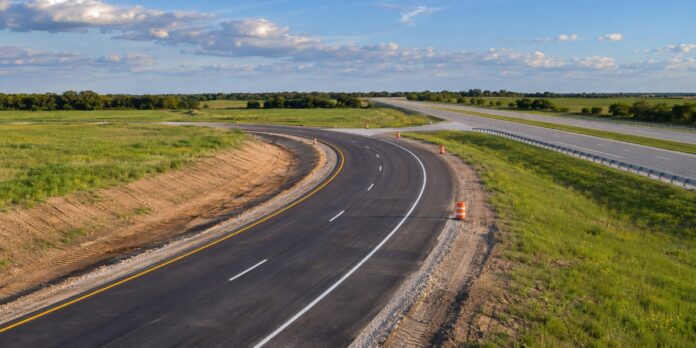
Road construction can change more than travel lanes. In Crandall’s 2026 council records, even the designation of a familiar highway became a subject for discussion.
The August 3 agenda scheduled a Texas Department of Transportation presentation concerning FM 148 redesignation associated with the U.S. 175 and FM 148 bypass project.
The word “redesignation” deserves attention. It signals a question about the route’s official identity, which can be distinct from the physical construction residents see beside the road.
A separate November 2 agenda listed possible approval of an advance funding agreement with TxDOT for the FM 741 extension. Together, the entries show multiple transportation matters moving through the city’s public process.
Neither agenda alone establishes a final route designation, construction completion, or opening date. Those details require the relevant project documents and subsequent decisions.
For drivers, route numbers are practical tools. They shape directions, delivery instructions, business descriptions, and the way residents explain where something is located.
That is why a designation discussion can matter even before motorists notice a change. The official description of a road helps connect maps, signs, and project plans.
Businesses near a changing corridor have additional questions. Which route will customers use? How will access be described? Will a familiar intersection remain the easiest landmark?
Residents following road projects can gain a clearer picture by separating three subjects: the physical work, access arrangements, and the official identity of the route. A single presentation may address only part of that picture.
Crandall’s transportation trivia is that a road number can become council business in its own right. The pavement gets most of the attention, but the paperwork also helps determine how people will understand and navigate the finished network.