

Affiliate disclosure: This article contains affiliate links. If you purchase through one of these links, we may receive a small commission at no additional cost to you.
North Texas offers a long growing season, but gardeners must work around sudden cold snaps, spring storms, heavy soil and summer heat. The most dependable gardens match each crop to the season instead of treating every vegetable as a summer plant.
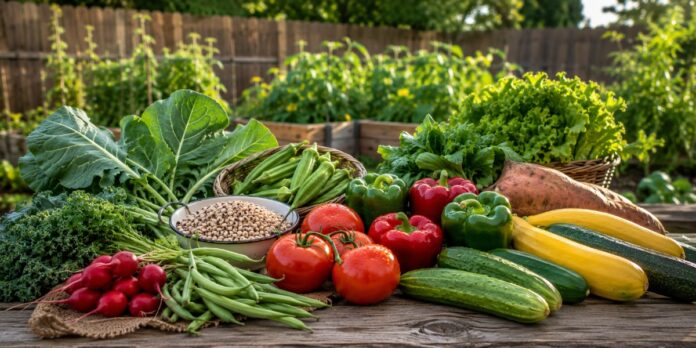
Here are 10 foods that can perform well in local gardens when planted at the proper time and given suitable soil, sunlight and water.
1. Tomatoes
Tomatoes are a North Texas favorite, but timing is critical. Plants need time to flower and set fruit before extreme heat becomes established. Choose healthy transplants and varieties suited to Texas conditions. A fall planting may provide another opportunity if the spring crop struggles. Tomatoes need support, consistent moisture and room for air circulation.
2. Peppers
Sweet and hot peppers tolerate warm weather better than many vegetables. They grow in beds or large containers and may produce through a long season when watered consistently. Plants can pause during extreme heat, then resume flowering as temperatures moderate. Families who regularly cook with jalapeños, serranos or bell peppers may find a few plants especially useful.
3. Okra
Few vegetables look more comfortable in a Texas summer than okra. Once established, it handles heat and produces rapidly. Pods should be harvested while tender, often every day or two during peak production. Because the plants can become tall, place them where they will not shade shorter crops.
4. Green Beans
Bush beans fit easily into small gardens because they do not require a tall trellis. Pole beans use vertical space and can produce over a longer period. Beans prefer warm conditions but may struggle in the most intense heat, making spring and late-summer plantings useful options. Texas A&M includes green or snap beans among the vegetable legumes grown in the state.
5. Southern Peas
Black-eyed peas, cream peas and purple hull peas are well suited to hot Southern conditions. They are more heat-tolerant than many traditional green beans and can provide fresh or dried peas. Vining varieties need support, while bush types fit more easily into compact beds.
6. Cucumbers
Cucumbers grow quickly in warm weather and can be trained up a fence or trellis to save space. They need regular harvesting because fruits can become oversized quickly. Good airflow, steady watering and frequent inspection help gardeners notice problems early. Texas A&M recommends placing vine crops near a fence or trellis when space is limited.
7. Summer Squash
Yellow squash and zucchini can produce heavily from only a few plants. Their broad leaves require more room than beginners may expect, and pests can create problems. Even so, a healthy plant can supply repeated harvests. Two or three plants may be enough for an average household.
8. Sweet Potatoes
Sweet potatoes enjoy warm soil and a long growing season. Their vines spread widely, but they can serve as living ground cover in a larger bed. The roots are harvested later in the season and need careful curing and storage. Gardeners normally start them from slips.
9. Collards and Kale
These leafy greens perform best in cooler weather. They can be planted for fall and may continue through mild winter periods. Collards are familiar in Southern kitchens, while kale can be harvested leaf by leaf for soups, sautés and salads. Texas A&M groups collards and kale among cole crops suited to cooler planting windows.
10. Radishes
Radishes are among the fastest and easiest cool-season crops for beginners. They need little space and can be planted in short rows every week or two for staggered harvests. Their quick growth makes them useful for children and first-time gardeners who want visible results.
Lettuce, mustard greens, carrots, onions, herbs, eggplant and cantaloupes can also succeed. The important lesson is that “grows well in North Texas” does not mean “plant anytime.” Tomatoes and beans need favorable spring or fall windows. Okra and southern peas welcome heat. Collards, kale and radishes belong to the cool season.
A productive local garden can supply food during much of the year when families plant in waves rather than all at once. Begin with three or four foods the household uses regularly, learn their preferred season and add new crops gradually. The best garden is not the one with the longest seed list. It is the one that puts useful food on the family table.