

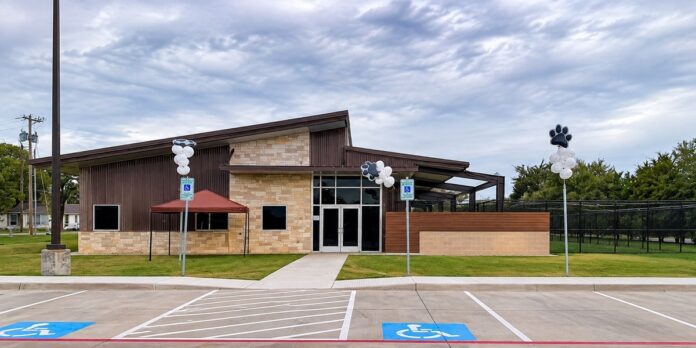
Seagoville’s animal shelter went from euthanizing more than 50 animals a month to a live-release rate above 97% during the first year of a police sergeant’s leadership. The man assigned to run it, Karl Bailey, had no previous shelter-management experience.
The city transferred Animal Services from Code Enforcement to the Police Department in January 2011. Bailey inherited the division while bringing a law-enforcement background rather than a career in animal welfare.
A small staff and volunteers became part of the effort to keep animals alive and move them into homes.
By February 2015, the transformation had become the subject of a presentation hosted by Maddie’s Fund, a national animal-welfare organization. Its title was The Little Shelter that Could.
The organization described an annual budget below $30,000 and credited Bailey’s team with turning a high-kill shelter into a no-kill operation.
The presentation’s promotional description referred to a change made in “120 seconds.” The measurable outcome was the first-year survival figure, which concerned animals leaving alive rather than simply a new label on the building.
The case drew attention because its starting ingredients were so modest: a small municipal shelter, limited money, volunteers, and a police supervisor learning a new assignment.
Seagoville’s shelter became a teaching example for other animal-welfare professionals, with its turnaround preserved in a 42-minute presentation.