

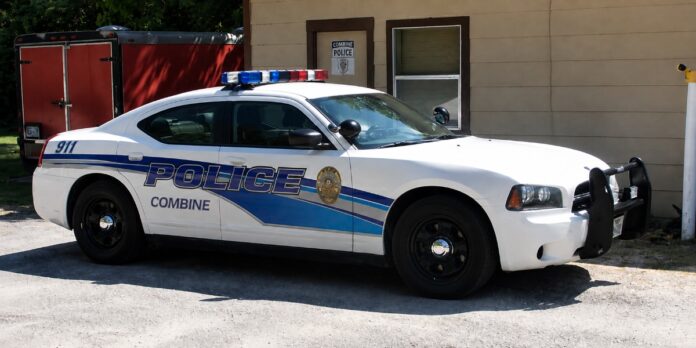
Combine Police Department • Activity Report Analysis
Why Most Combine Police Work Isn’t Crime
Monthly reports show traffic stops, security checks and welfare calls make up most of officers’ workload, even in months with zero reported crimes.
A police department’s workload cannot be measured by counting burglaries, thefts and assaults alone. Combine’s own monthly activity reports make that especially clear.
During January 2026, the Combine Police Department recorded 28 calls for service. The department reported no Part I crimes and no Part II crimes that month.
Officers still had plenty to do. Here is where their time went.
January’s Calls for Service
- 26 traffic stops
- 19 citations issued
- 9 security checks
- 5 meetings with complainants
- 3 medical calls
- 3 directed patrol assignments
- 3 follow up calls
- 1 crash with no injuries
- Single calls for an alarm, an animal complaint, a civil matter, a domestic disturbance, a mental health call, a noise complaint, a traffic hazard and a welfare check
None of those calls appeared in January’s Part I crime total. That distinction offers a fuller picture of what policing a small community like Combine actually involves.
Crime Was a Small Part of the Reports
The pattern continued in the months that followed.
Month by Month, February Through May
- February: no Part I or Part II crimes reported, 63 calls for service, 55 traffic stops
- March: the year’s first Part I offense, a burglary, plus 50 calls for service and 77 traffic stops
- April: the busiest crime month so far — three Part I offenses (burglary, larceny/theft, motor vehicle theft) and one Part II weapons offense, alongside 83 calls for service
- May: no Part I or Part II offenses reported, 42 calls for service, 41 traffic stops
Traffic enforcement, welfare concerns and routine patrol duties all add up to real police work. That holds true even in months when reported major crime is extremely low.
Security Checks Add Up
Security checks appear again and again among Combine’s calls for service.
Security Checks by Month
- January: 9
- February: 8
- March: 8
- April: 6
- May: 7
A security check may never produce an arrest, a crime report or a citation. The officer still has to travel to the location, observe the property and document the visit.
Directed patrols work much the same way. An officer may be assigned to watch a road, a neighborhood or a location because of traffic concerns or complaints. This differs from responding to a crime already underway.
Those assignments represent preventive policing rather than crime investigation.
Traffic Enforcement Is Another Major Workload
Traffic enforcement also stands apart from reported crime.
Traffic Stops by Month
- January: 26
- February: 55
- March: 77
- April: 43
- May: 41
A traffic stop can end in a citation or a warning. It can also lead to an arrest, or result in no enforcement action at all. Traffic work should not automatically be counted as criminal activity.
The same principle applies to many other calls officers routinely handle. A welfare check may involve checking on an elderly resident or another person a family member is worried about.
An alarm may turn out to be false. A suspicious activity complaint may lead officers to investigate without ever finding a crime.
Domestic disturbance calls also do not automatically mean a criminal offense occurred. Officers may respond and separate the people involved. They then investigate the situation and determine whether an arrest or report is warranted.
Police Work Extends Beyond Arrests
The January report offers perhaps the clearest example. There were no Part I crimes and no Part II crimes that month. There were also no felony arrests and no misdemeanor arrests.
Yet officers still conducted traffic enforcement and responded to 28 service calls. They also handled medical calls and investigated a crash. A month with zero reported offenses did not mean a month with zero police work.
That distinction matters when residents evaluate police staffing, budgets and department performance. Crime statistics answer one question: what crimes are being reported? Activity reports answer a different one: what are officers actually spending their time doing?
Combine’s reports suggest those two answers can look very different.
A Numerical Question in the Reports
There is also a separate issue in the department’s published statistics. Several year to date totals for calls for service do not fully match the individual monthly figures listed in later reports.
For example, January reported 28 calls and February reported 63. That is 91 calls through February. March then reported 50 more calls. However, the report listed the year to date figure as 140 rather than 141.
Additional gaps appear in later year to date totals. That does not change the basic monthly picture. It does mean the cumulative figures should be read carefully unless the department clarifies how they were calculated.
For that reason, the individually reported monthly numbers offer the clearest available view of the department’s workload.
That view shows something residents may not expect when they hear the term police activity. In Combine, a large share of that activity is not a reported crime at all. It is not a burglary, a theft or another offense.
Instead, It Is
- Checking properties
- Stopping vehicles
- Responding to disturbances
- Assisting motorists
- Investigating suspicious behavior
- Handling welfare concerns
It is the routine preventive work that rarely shows up in conventional crime statistics.