

Shop in Seagoville may earn a small commission when readers make a purchase through links in this article, at no additional cost to the buyer. Shop in Seagoville only recommend products we believe will provide value to our readers.
Backyard chickens can provide fresh eggs, natural pest control and an enjoyable introduction to small-scale food production. In North Texas, however, choosing an attractive or productive breed is not enough. Hens must also be able to cope with prolonged summer heat.
No chicken is immune to heat stress. Every flock needs shade, clean water and a dry, well-ventilated coop. Breed selection can nevertheless improve the likelihood that a small flock remains healthy and productive during challenging weather.
Beginners can prepare for their first flock with The First-Time Chicken Keepers checklist, which covers important considerations before birds arrive.
The following breeds and hybrids offer useful combinations of heat tolerance, egg production and manageable temperaments.
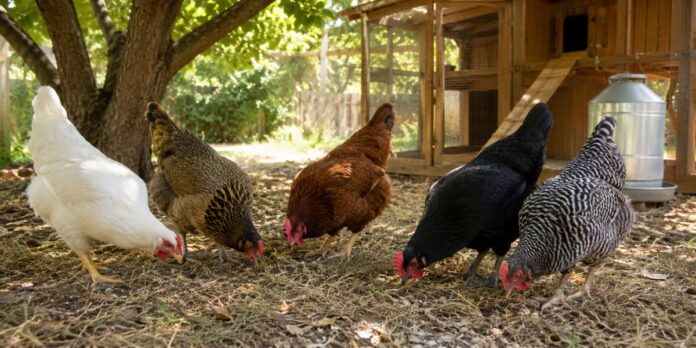
White Leghorn
White Leghorns are among the most efficient egg-producing chickens available. They are lightweight birds with large combs, characteristics associated with better performance in hot climates. Healthy hens can produce approximately 280 to 320 white eggs annually under favorable conditions.
Their main drawback for beginners is temperament. Leghorns tend to be active, alert and more flighty than many heavier backyard breeds. They may resist handling and require secure fencing.
A White Leghorn is a strong choice for owners who prioritize egg production and can provide adequate space. Families seeking calm chickens that children can handle may prefer another breed.
Easter Egger
Easter Eggers are popular backyard chickens known for eggs that may have blue, green or pink shells. They are mixed-breed birds rather than a standardized pure breed, so appearance, temperament and egg production can vary.
They are frequently recommended for hot climates and generally produce well while adding variety to an egg basket. Many are curious and approachable, although buyers should ask the breeder about the temperament and characteristics of the particular line.
Their moderate size and adaptability make Easter Eggers appealing to beginners who want productive hens without keeping a flock composed entirely of commercial-style layers.
Rhode Island Red
Rhode Island Reds are hardy, dual-purpose chickens that lay large brown eggs. Depending on breeding, health and management, hens may produce approximately 250 to 300 eggs during their most productive years.
These birds are active foragers and generally adjust well to backyard conditions. Their personalities can range from friendly to assertive, so individual hens may occasionally become dominant within a mixed flock.
Rhode Island Reds are heavier than Leghorns and require careful summer management, but their dependable production and overall hardiness continue to make them a practical choice. Beginners comparing breeds, housing and daily responsibilities may benefit from reviewing The First-Time Chicken Keepers guide.
Black Australorp
Black Australorps are valued for calm behavior and reliable brown-egg production. Hens are typically gentle and quiet, making them easier for first-time owners to manage than more nervous Mediterranean breeds.
Their black feathers and heavier bodies can make intense sunlight more challenging. Australorps should have deep shade, strong airflow and continuous access to cool drinking water during North Texas summers.
They are a good option for families that place a high priority on temperament but are prepared to provide active heat protection. Their dependable laying and manageable behavior make them especially suitable for small residential flocks.
Barred Plymouth Rock
Barred Plymouth Rocks are recognizable by their black-and-white striped feathers. They are calm, curious dual-purpose birds that lay brown eggs and generally tolerate handling well.
Their friendly disposition makes them a popular choice for families and first-time chicken keepers. Plymouth Rocks are heavier than Leghorns, so they should not be expected to handle extreme heat without shade and ventilation.
Although they may not match the highest-producing commercial layers, they offer a useful balance of steady egg production, attractive appearance and beginner-friendly behavior.
Heat Management Matters More Than Breed Alone
Even heat-tolerant chickens can become dangerously overheated. Owners should provide several shaded areas, unrestricted access to fresh water and a coop designed to release heat rather than trap it. Fans may improve air circulation when installed safely and protected from moisture and curious birds.
Signs of heat stress can include panting, holding the wings away from the body, reduced activity, decreased appetite and falling egg production. A distressed bird requires prompt cooling and may need veterinary assistance.
Prospective owners should also confirm city ordinances, zoning rules, property restrictions and homeowners association requirements before purchasing chicks. Some communities regulate flock size, coop placement, sanitation or roosters.
Raising chickens also requires ongoing spending for feed, bedding, housing, predator protection and medical care. Home-produced eggs are not automatically less expensive than store-bought eggs.
Careful preparation is more important than purchasing birds quickly. The First-Time Chicken Keepers checklist can help new owners evaluate whether they have the time, space and equipment needed to maintain a healthy flock.
For most North Texas beginners, a small mixed flock may provide the best combination of egg colors, personalities and production. Selecting appropriate breeds is the first step, but dependable care will ultimately determine whether backyard chickens remain healthy through the Texas heat.