

Shop in Seagoville may earn a small commission when readers make a purchase through links in this article, at no additional cost to the buyer. Shop in Seagoville only recommend products we believe will provide value to our readers.
Ask any experienced chicken keeper how many birds they planned to get. Then ask how many they actually have. The gap between those two numbers has a name.
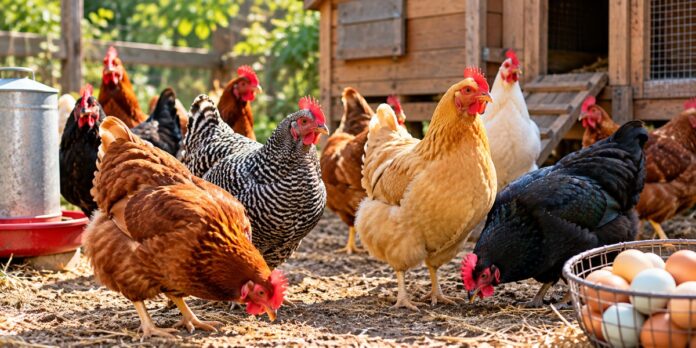
Chicken math is the running joke of the backyard poultry world. It is also completely real. Nearly every keeper falls into it during the first two years.

How It Starts
The plan is always modest. Four hens will produce plenty of eggs for a family. Four is manageable and four fits the coop.
Then spring arrives and the farm store fills the brooder tubs. A breed you had never considered is sitting right there. Two more will not hurt anything.
That is how four becomes six. Nobody makes a conscious decision to expand. It happens one small purchase at a time.
The Minimum Order Problem
Hatcheries ship chicks in groups for warmth. Minimum orders are common and they are rarely three birds. You order the minimum and end up with extras.

Feed store bins have the same effect. Sorting through a tub of chicks and picking exactly two requires real discipline. Very few people manage it.
Straight run chicks add another wrinkle. Straight run means unsexed, so roughly half will be roosters. Under Seagoville rules, roosters are not allowed on lots smaller than one fenced acre.
Losses and Replacements
Some hens will not make it. Predators, illness and accidents are part of keeping livestock. Keepers naturally replace what they lose.
Replacements rarely come one at a time. Adding a single bird to an established flock is hard on that bird. Introducing two or three together goes far better.

That practical reality quietly grows the flock. You replace one hen with three. The math only moves one direction.
Eggs Become Currency
Once your hens are producing, neighbors start asking. Fresh eggs are a genuinely good trade good. Meeting that demand takes more hens.
Then there is the appeal of different eggs. Blue, olive and dark brown eggs come from different breeds. Filling a carton with five colors is a surprisingly strong motivator.
The breed selection section of the First Time Chicken Keeper’s Checklist helps sort this out before you buy. Choosing well the first time reduces the urge to keep adding.

The Space Reality
Here is where the fun stops and the planning starts. Standard hens need roughly three to four square feet of indoor space each. They also need eight to ten square feet of run space each.
A coop sized for four birds cannot hold fourteen. Crowding causes feather picking, bullying and disease. It also produces more manure than a small run can absorb.
Seagoville caps keepers at six hens on lots under one fenced acre. Owners with at least one fenced acre may keep more, up to twenty chickens per acre. Roosters are permitted only on those larger lots at one rooster per six hens.
The Cost Reality
Feed is the ongoing expense. A fifty pound bag of quality layer feed runs roughly twenty dollars depending on brand and type. Organic and non GMO feeds cost substantially more.
Each additional bird adds feed, bedding and space. It also adds a share of the vet bill if something goes wrong. Fourteen hens is not three times the work of four, but it is not the same either.

How to Plan for It Honestly
The smartest approach is to build for the flock you will eventually have. Size the coop and run for the legal maximum on your lot. Then start with fewer birds than that.
You will almost certainly expand. Building extra space now costs less than rebuilding later. It also spares your existing hens the stress of crowding.
Set a hard number and write it down before spring. Anyone planning a first flock can start with this complete beginner checklist. Planning ahead is the only real defense against chicken math.